

Common Questions About Spinal Decompression and Chiropractic Care
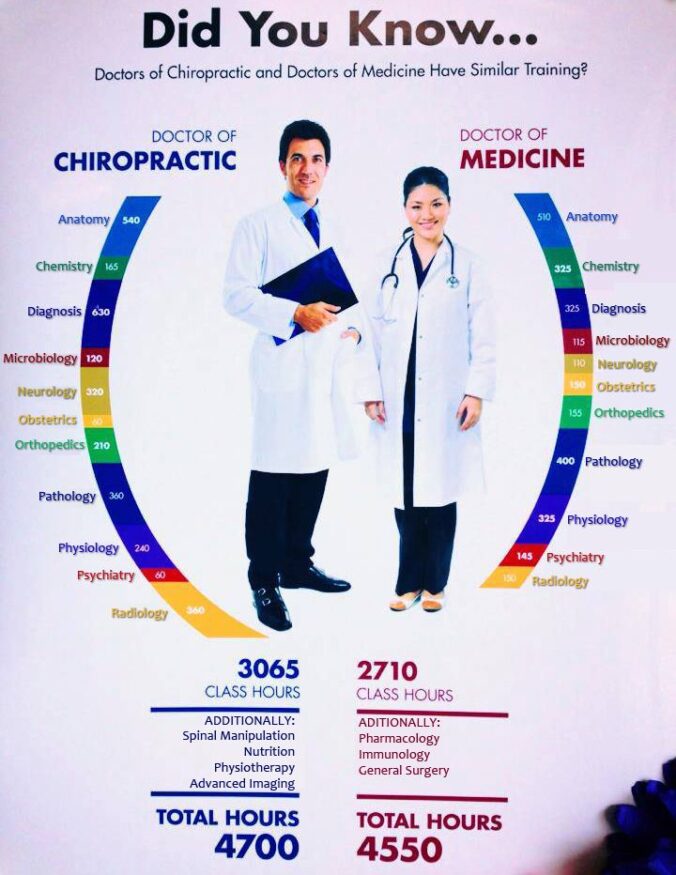
The most common question is, “Are Chiropractors Real Doctors?” Yes, Doctors of Chiropractic (D.C.s) are licensed healthcare professionals who undergo extensive education and clinical training.
Just as a Dentist (D.D.S. — Doctor of Dental Surgery) diagnoses and treats issues relating to your teeth, and a Medical Doctor (M.D.) diagnoses and treats issues relating to your overall medical and biological health, a Chiropractor (D.C. — Doctor of Chiropractic) diagnoses and treats conditions related to your spine and musculoskeletal system.
Dr. Ferrigno, like all licensed chiropractors, completed a Doctor of Chiropractic degree, which includes rigorous coursework in anatomy, neurology, orthopedics, radiology, and clinical diagnosis.
Chiropractors are trained to diagnose, manage, and conservatively treat a wide range of musculoskeletal conditions, with a special emphasis on spinal health.
While chiropractors are not medical doctors (MDs) or doctors of osteopathic medicine (DOs), their education and licensing qualify them as primary-contact healthcare providers. In fact, many chiropractors work closely with medical professionals to ensure patients receive the most appropriate care for their needs.
In contrast, chiropractors are trained to identify and manage spinal, musculoskeletal, and soft tissue dysfunctions through specific non-surgical, non-invasive, and non-medicinal approaches, including manual adjustments, spinal decompression, and rehabilitative therapies.
Each healthcare professional plays a critical role within their scope of practice, contributing uniquely to a patient’s overall health and recovery.
Your Questions Answered
- Spinal Decompression
- Sciatica
- Spinal Stenosis
- Peripheral Neuropathy
Spinal decompression is a non-surgical treatment that gently stretches the spine to relieve pressure on compressed discs and nerves. This allows disc material to retract, improves circulation, and promotes natural healing.
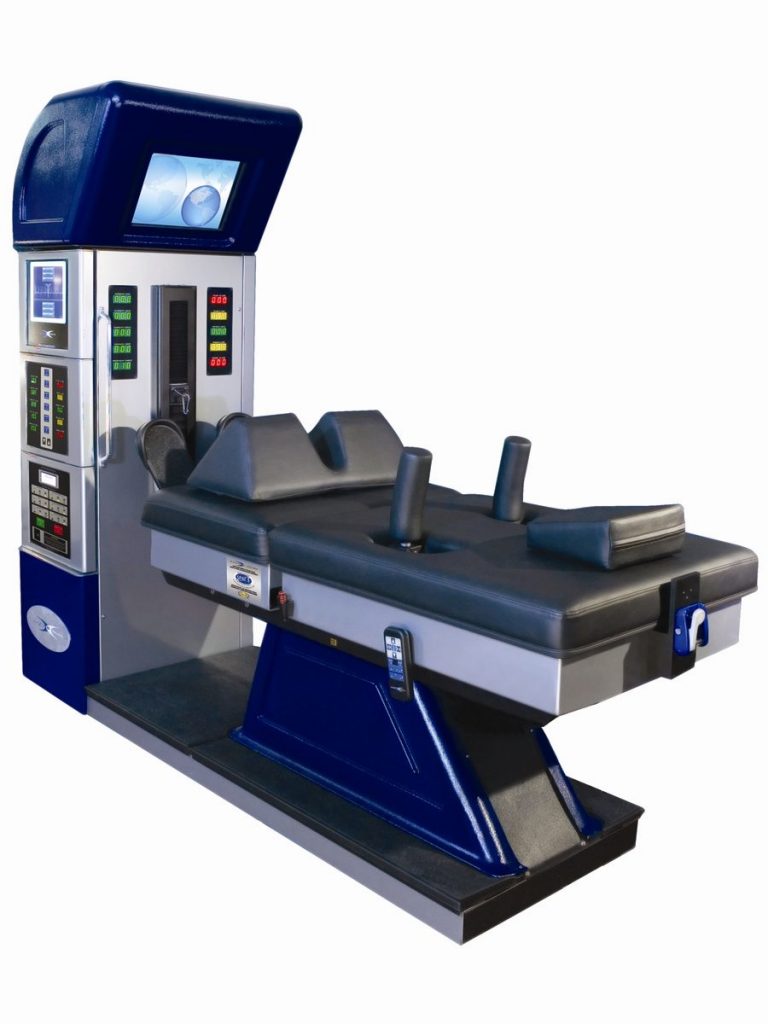
We use two of the most advanced systems available: the DRX9000 and the Accu-SPINA. Both are FDA-cleared and computer-guided to ensure precision, comfort, and optimal results for each patient.
Spinal decompression is commonly used to treat disc bulges, herniations, sciatica, degenerative disc disease, facet joint issues, and spinal stenosis — especially when patients are looking to avoid surgery.
Not at all. The treatment is gentle, and most patients find it relaxing. Both the DRX9000 and Accu-SPINA systems are designed to adjust in real time to your body’s resistance, so you remain comfortable throughout the session.
Many patients begin feeling relief within the first few sessions, though lasting results typically build over a structured 6–8 week program. Progress is carefully monitored and adjusted based on your specific condition.
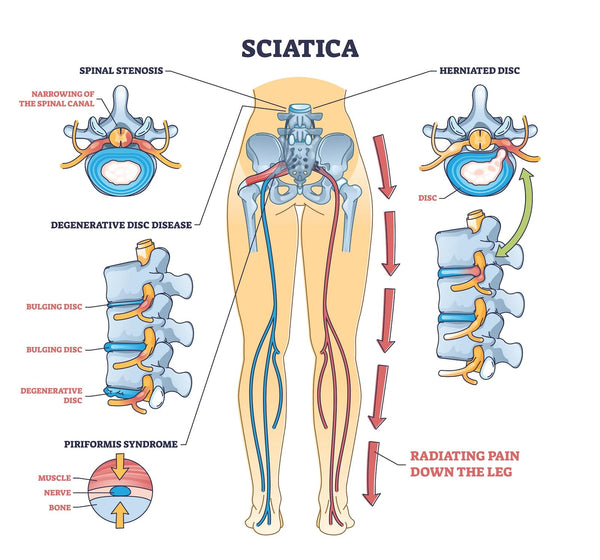
Sciatica refers to pain or discomfort that radiates from your lower back down into one or both legs, typically resulting from irritation or compression of the sciatic nerve—the longest nerve in your body. It can occur when something like a bulging disc, herniation, spinal stenosis, or even prolonged sitting or heavy lifting causes pressure or inflammation around the nerve, triggering pain and discomfort.
If you’re experiencing sciatica, you might notice sharp, burning, or shooting pain that travels from your lower back down through your buttock and leg. Additional symptoms can include tingling sensations, numbness, muscle weakness, or difficulty moving your leg. Everyday activities like prolonged sitting, driving, or even bending down to tie your shoes might worsen the discomfort.
Absolutely! Chiropractic care, including gentle spinal adjustments, spinal decompression, and therapeutic modalities, can significantly reduce sciatic nerve irritation. By improving alignment, decreasing pressure on the nerve, and enhancing joint function, chiropractic treatments help your body heal naturally, reducing pain and improving your overall comfort and mobility without invasive procedures.
Yes, spinal decompression therapy is a gentle, non-surgical method specifically designed to relieve pressure on spinal discs and nerves. This FDA-cleared approach gently stretches your spine, allowing nutrients and oxygen to flow into injured areas, promoting healing of discs and nerves. Many patients find it soothing and effective, experiencing significant pain relief without drugs or surgery.
Many patients begin experiencing relief within their first few sessions. However, the exact timing depends on several factors, including the severity and cause of your sciatica, your age, and overall health. By combining chiropractic care, spinal decompression, and lifestyle changes, most patients find noticeable improvement within days or weeks, gradually progressing toward lasting relief and improved quality of life.
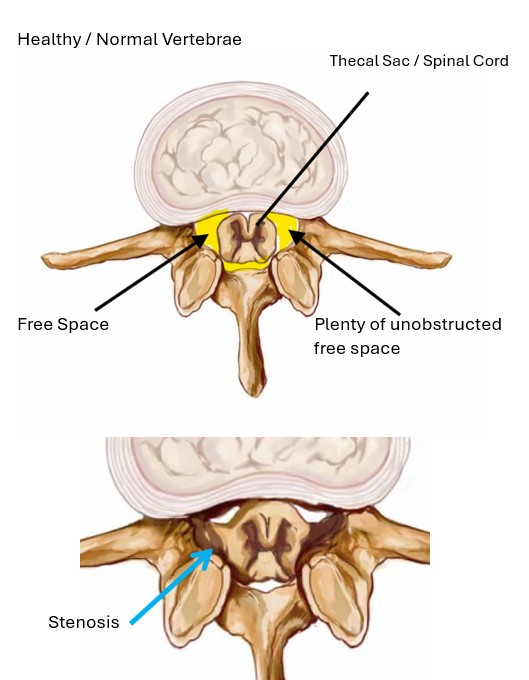
Spinal stenosis is a condition where the spaces within your spine narrow, putting pressure on nerves and causing discomfort or pain. It commonly occurs in the lower back (lumbar stenosis) and neck (cervical stenosis), often resulting from aging-related changes like arthritis, bone spurs, disc degeneration, or injuries from past trauma.
Typical signs of spinal stenosis include pain or stiffness in your lower back or neck, numbness, tingling, or weakness in your arms or legs, and difficulty walking or standing for extended periods. You might find relief by leaning forward or sitting down, as these positions temporarily ease pressure on compressed nerves.
Yes, chiropractic care is a gentle, non-invasive approach that can effectively help manage symptoms of spinal stenosis. Treatments such as spinal adjustments, spinal decompression, and targeted physiotherapy aim to relieve nerve pressure, improve spinal function, and enhance your mobility and comfort, often reducing reliance on medications.
Absolutely! Spinal decompression therapy gently stretches and relieves pressure on compressed nerves and discs, creating space for better circulation and healing. Many patients report significant improvement in their comfort, mobility, and daily functioning, making it an excellent non-surgical treatment option for spinal stenosis.
Spinal stenosis commonly results from natural wear-and-tear due to aging, arthritis, injuries, and degenerative disc changes. While you can’t always prevent it entirely, maintaining good spinal health through regular chiropractic care, consistent exercise, proper posture, and healthy lifestyle choices can significantly lower your risk and slow the progression.
Peripheral neuropathy occurs when nerves outside your brain and spinal cord become damaged, leading to symptoms like numbness, tingling, and pain, often starting in the hands or feet. Common causes include diabetes, vitamin deficiencies, injuries, autoimmune conditions, certain medications, or repetitive stress from daily activities or occupational tasks.
Early signs of peripheral neuropathy typically involve sensations of numbness, tingling, or burning pain in the feet or hands. You might also notice muscle weakness, sensitivity to touch, balance issues, or difficulty performing simple daily tasks like buttoning a shirt or walking confidently on uneven surfaces.
Yes! Chiropractic treatments, including gentle nerve mobilization, spinal decompression, nutritional support, and advanced therapies like deep tissue laser and shockwave therapy, can significantly ease neuropathy symptoms. By improving circulation, nerve function, and overall spinal health, chiropractic care helps enhance comfort and mobility without relying solely on medication.
The degree of nerve healing depends largely on the underlying cause and the severity of nerve damage. While some neuropathies—especially those identified early—can improve dramatically or even resolve, others are best managed by slowing progression and relieving symptoms. Early diagnosis and consistent chiropractic management give you the best chance at positive outcomes.
Most patients begin noticing improvement within weeks, although the timeline can vary based on the severity and duration of nerve damage, overall health, and treatment consistency. Chiropractic care, combined with nutritional support and therapeutic exercises, typically yields steady, gradual improvements, enhancing your quality of life over time.

Considered by many as one of the best Spinal Decompression Clinics in Campbell & San Mateo, CA
Sciatica often presents as sharp back pain paired with numbness or tingling that radiates into the leg.
This condition is typically caused by pressure on the sciatic nerve, most often due to a herniated, bulging, or degenerative disc.
At Bay Area Disc Centers, Dr. Ferrigno focuses on advanced, non-surgical care for sciatica and disc conditions. Our treatment centers on Disc Decompression and a five-step program called S.P.I.N.E., designed to bring in disc hydration, improve spinal stability, and function.
* The procedure should feel comfortable and relaxing. We’ll check in with you during your session to make sure everything feels right. If you ever need anything, just let us know — we’re here for you.
Are You A Candidate For Spinal Decompression?
It’s quick and simple — just 11 Yes or No questions. Once completed, Dr. Ferrigno will personally review your answers, and a team member will follow up with you to discuss the doctor’s recommendations.
Be sure to complete the Contact Form displayed at the end so we know how to contact you.
