

Benefits of MATRIX System™
Non-Invasive & Drug-Free
Provides powerful pain relief without medications—ideal for patients seeking natural healing.
FDA-Cleared Technology
Backed by rigorous clinical testing and regulatory approval for safe, effective treatment.
Painless & Comfortable *
Gentle electrical impulses create a soothing experience—many patients find sessions relaxing or even fall asleep.
* If at any time you feel any discomfort, please notify the staff immediately.
** Feel free to bring your music player and wireless earbuds, and relax to your favorite tunes.
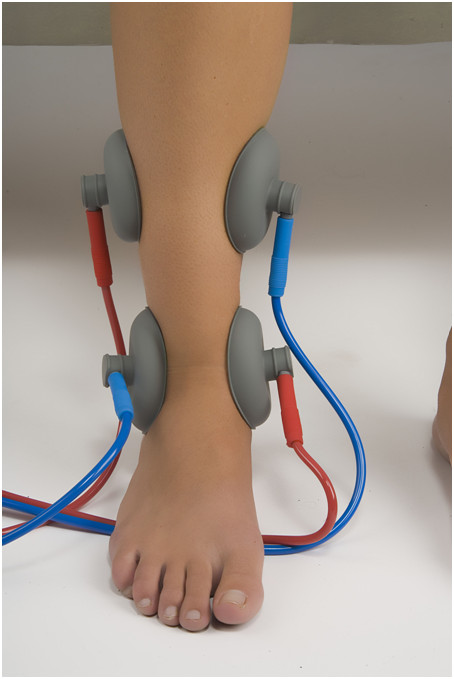
Discover Electroanalgesia
The MATRIX system is FDA-cleared for the management of long-term, difficult-to-treat pain, offering a non-invasive alternative for patients who haven’t responded well to medication or other therapies. This includes conditions like neuropathy pain, sciatica pain, and disc-related back pain. By decreasing pain and improving muscle function, the MATRIX system helps patients maintain or increase their range of motion, especially in cases where inactivity has led to stiffness or disuse atrophy. This is key for post-injury and post-surgical rehab phases.
Chronic (Intractable) Pain Management
Post-Surgical Pain Management
Post-Traumatic Pain Management
Increased Local Circulation
Muscle Spasm Relief & Re-education
Maintenance or Recovery of Joint Mobility
Electroanalgesia Therapy at Bay Area Disc Centers
Non-Invasive Pain Relief Backed by Science in Campbell & San Mateo, CA
At Bay Area Disc Centers, we’re proud to offer Electroanalgesia therapy as part of our comprehensive, drug-free approach to pain management. Whether you’re dealing with long-standing nerve pain or recovering from surgery or injury, our integration of the FDA-cleared Neuromed MATRIX Electroanalgesic Delivery System allows us to treat pain at the nerve level—safely, comfortably, and effectively.
What Is Electroanalgesia?
Electroanalgesia is an advanced medical therapy that uses high-frequency electrical currents to modulate nerve function and interrupt pain signaling. Unlike standard TENS units, the MATRIX system delivers higher-frequency, high-definition electroanalgesic waves that penetrate deeper into tissues, targeting the roots of chronic and acute pain. It works by stimulating peripheral nerves, reducing inflammation, and increasing local blood circulation—all without the use of drugs or needles.
This therapy is especially useful for patients with conditions involving neuropathy pain, sciatica, post-surgical discomfort, or intractable chronic pain that hasn’t responded to other treatments.
Clinically Proven Benefits of Electroanalgesic Therapy
The Neuromed MATRIX Electroanalgesia system is FDA-cleared under 510(k) guidelines for several clinical indications, including:
- Management of chronic intractable pain
- Adjunctive treatment for post-surgical and post-traumatic pain
- Muscle re-education and relaxation of muscle spasms
- Improved circulation and increased range of motion
- Prevention of disuse atrophy and venous thrombosis post-surgery
These benefits aren’t just theoretical. In real-world clinical settings, many patients report measurable pain relief and improved mobility after just a few sessions of electroanalgesic therapy. By addressing both nerve signaling and circulation, the therapy provides a two-pronged approach to healing that supports long-term recovery and functional improvement.
Why Choose Electroanalgesia Over Traditional Pain Management?
Many traditional pain management strategies rely on prescription medications that carry the risk of side effects, dependency, and limited long-term effectiveness. Electroanalgesia offers a powerful, non-pharmaceutical option that works with your body—not against it.
Key advantages include:
- Non-invasive and drug-free: No needles, no downtime, and no medications required
- Painless and comfortable: Gentle application through external electrodes
- FDA-cleared: Validated for safety and efficacy in a clinical setting
- Synergistic with other therapies: Enhances results when combined with spinal decompression, chiropractic care, and laser therapy
How Bay Area Disc Centers Uses Electroanalgesia
Dr. Thomas Ferrigno integrates electroanalgesic therapy using the MATRIX system into patient care plans at both our Campbell and San Mateo offices. As a nationally certified provider in non-surgical pain relief methods, Dr. Ferrigno customizes each treatment based on the root cause of the patient’s discomfort and the response of their nervous system.
Electroanalgesic sessions are often scheduled alongside:
- Spinal Decompression Therapy – to relieve disc-related nerve pressure
- Class IV Laser Therapy – to reduce inflammation and accelerate healing
- Chiropractic Adjustments – to restore alignment and nerve flow
This multimodal approach boosts treatment outcomes by calming nerve hypersensitivity, increasing blood flow, and supporting tissue regeneration.
What Conditions Can Electroanalgesia Help Treat?
Electroanalgesia therapy has shown particular success with:
- Peripheral Neuropathy (non-diabetic or diabetic)
- Sciatica and lower back pain
- Cervical and lumbar disc herniations
- Post-operative pain management
- Sports injuries involving nerve or soft tissue pain
- Muscle spasms and limited range of motion
If you’re struggling with chronic pain that’s not responding to other methods—or you want a safe alternative to prescription medication—electroanalgesic therapy may be the solution you’ve been searching for.
What to Expect During Treatment
Electroanalgesic sessions are performed in-office and typically last between 20–40 minutes. During treatment, electrodes are placed on the skin over the area of discomfort. The MATRIX system delivers controlled, high-frequency currents that are calibrated to avoid discomfort and stay below the motor threshold. Patients often describe the sensation as a gentle tingling or warming.
Most individuals tolerate the therapy well, and because it is non-invasive, there’s no recovery time. In fact, many patients experience improved mobility and noticeable pain relief after just a few sessions.
A Safe, Research-Based Approach to Pain Relief
The safety and efficacy of electroanalgesia are backed by FDA guidelines and years of use in physical medicine and rehabilitation settings. At Bay Area Disc Centers, we follow all appropriate protocols, screen patients carefully, and ensure the therapy is tailored to your condition and comfort level.
We do not use electroanalgesia in patients with contraindications such as pacemakers, active infections, or recent surgeries that may be disrupted by muscle contraction. Our goal is always to provide effective, ethical, and evidence-informed care.
Begin Electroanalgesic Treatment in Campbell or San Mateo
If you’re ready to explore an advanced, non-invasive solution for chronic or acute pain, we invite you to schedule a consultation with Dr. Ferrigno and the team at Bay Area Disc Centers.
Let’s discuss whether electroanalgesia therapy is the right step forward for your health. The sooner you begin, the greater the potential for lasting relief, improved mobility, and a better quality of life.
Your Questions Answered
- Electroanalgesia Itself
- How Does It Work
- Conditions Treated
- Safety & Contraindications
The Neuromed MATRIX™ Electroanalgesic Delivery System is a non-invasive pain management treatment that uses high-frequency electrical currents to block pain signals at the nerve level, promoting healing and comfort.
While TENS units provide low-frequency stimulation for surface-level relief, Electroanalgesia systems like the Neuromed MATRIX use high-definition, high-frequency currents that penetrate deeper tissues for more lasting and targeted results.
Caution is strongly advised. According to FDA guidelines and published research, electroanalgesic and similar electrical stimulation therapies may interfere with pacemaker function or exacerbate arrhythmias. For this reason, patients with implanted cardiac devices or known cardiac conditions must consult their cardiologist or primary care physician before beginning treatment. At Bay Area Disc Centers, we strictly follow all contraindication guidelines and do not proceed with electroanalgesic therapy unless it is medically appropriate and cleared by the patient’s supervising physician. You can read more about what the U.S. government agency, the National Institute of Heatlh suggests. NIH LINK. Be sure to let us know about your cardiac condition AT EVERY VISIT.
Patients dealing with conditions such as sciatica, neuropathy pain, post-surgical discomfort, disc herniations, or chronic back pain often experience significant relief.
No, Electroanalgesia is most effective when integrated into a larger treatment plan that may include spinal decompression, Deep Tissue Laser therapy, or chiropractic care.
The Electroanalgesic therapy delivers high-frequency electrical currents that modulate nerve function, reducing the transmission of pain impulses to the brain without affecting muscle movement.
During treatment, adhesive electrodes are applied to the skin. Most patients feel a mild tingling sensation, and sessions last 20–40 minutes depending on the treatment area.
The beauty of the Neuromed MATRIX System™ is that it reaches deeper tissues than conventional devices, allowing it to target nerve roots and structures associated with complex or chronic pain.
The therapy itself is designed to be painless. Most patients already arrive with pain due to their underlying condition—such as sciatica, neuropathy, or inflammation—but Electroanalgesia is not intended to cause additional discomfort. You may feel a gentle tingling or pulsing sensation during treatment, which is normal. However, if you experience any new or unusual pain beyond what you normally feel, please let our staff know immediately so we can adjust the settings or electrode placement for your safety and comfort.
The number of visits required to benefit from the therapeutic effects varies based on the condition being treated. Many patients start with 2–3 sessions per week and taper down as symptoms improve. Once you’ve reach a level of relief that is suitable for you to return to, or maintain, your desired lifestyle, the follow-ups are as simple as making another appointment.
Yes. Electroanalgesia is particularly effective for peripheral neuropathy, especially when initiated early. It helps calm irritated nerves and improves circulation to affected areas.
Absolutely. Sciatica responds well to Electroanalgesic treatment, as the therapy targets nerve roots often compressed by disc bulges or spinal misalignment.
Yes. Electroanalgesia can ease post-operative discomfort and reduce the need for prescription pain medications, especially in orthopedic and spinal recovery cases.
It’s important to understand that joint pain caused by an autoimmune condition is a lifelong challenge. While Electroanalgesia is not a cure, it can help reduce pain and stiffness related to arthritis by improving local circulation and relaxing surrounding soft tissue—potentially slowing the progression of the disease.
Yes, Electroanalgesia helps manage inflammation and accelerates soft tissue healing—making it a great tool for athletic recovery without added strain.
While it’s safe for most people, it’s not recommended for patients with pacemakers, epilepsy, or certain cardiovascular conditions without clearance.
Mild skin irritation at electrode sites may occur but is usually temporary. Serious side effects are extremely rare when the device is used properly. If you feel any “stinging” sensation, please let the staff know immediately as this is a sign of the pad is not making full contact with the skin. Your communication with the staff is the key.
No. Electroanalgesia has not been tested for safety during pregnancy and is not recommended for pregnant individuals. Ladies, please let us know if you are, or think you might be, pregnant before and during the course of the therapy. Let’s err on the side of caution for a happy and healthy outcome. Communication is the key.
Zero! One of the key benefits of Electroanalgesia is that it’s completely non-invasive—there’s no downtime, no sedation, and no lasting discomfort.
All patients are required to complete a health questionnaire before treatment. Sessions are administered by trained staff following published protocols and clinical best practices. If you have any questions before, during, and after the therapeutic session, we encourage you to talk to a staff member, or ask to speak with Dr. Ferrigno directly.