
Understanding Spinal Stenosis
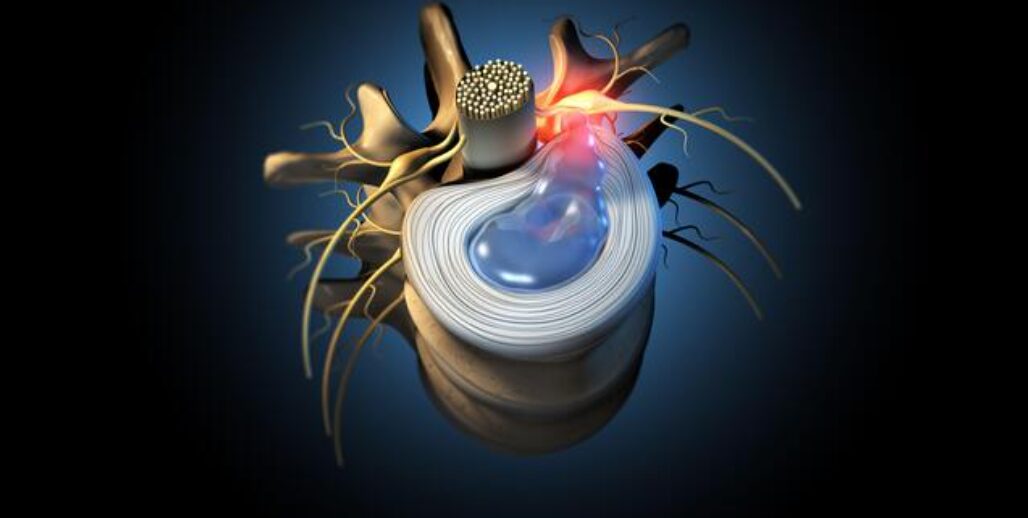
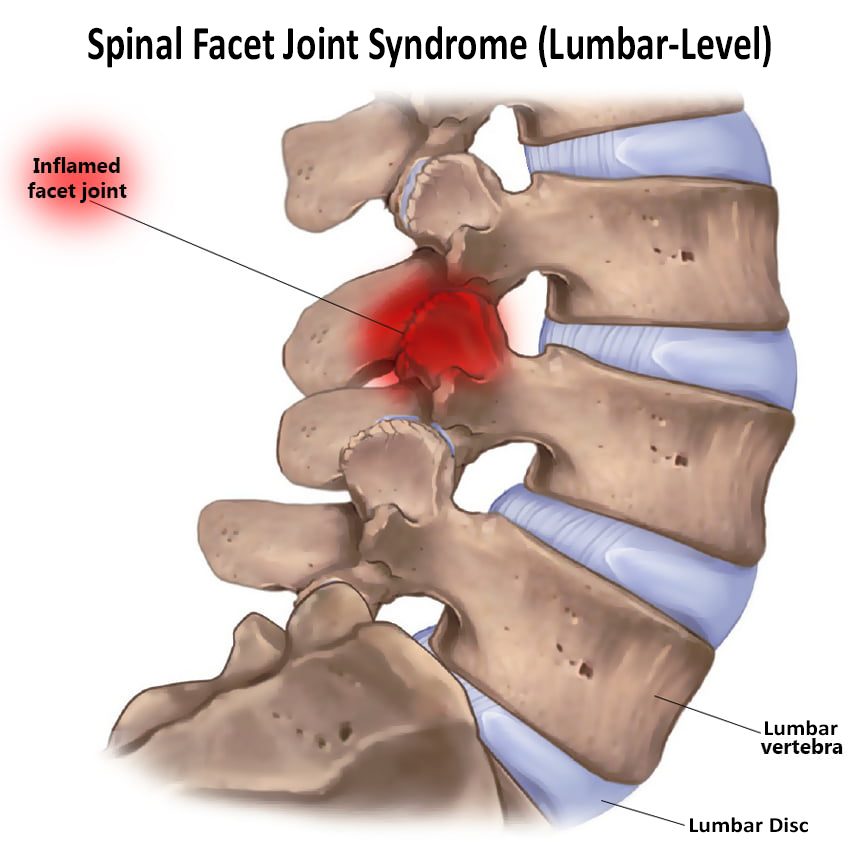
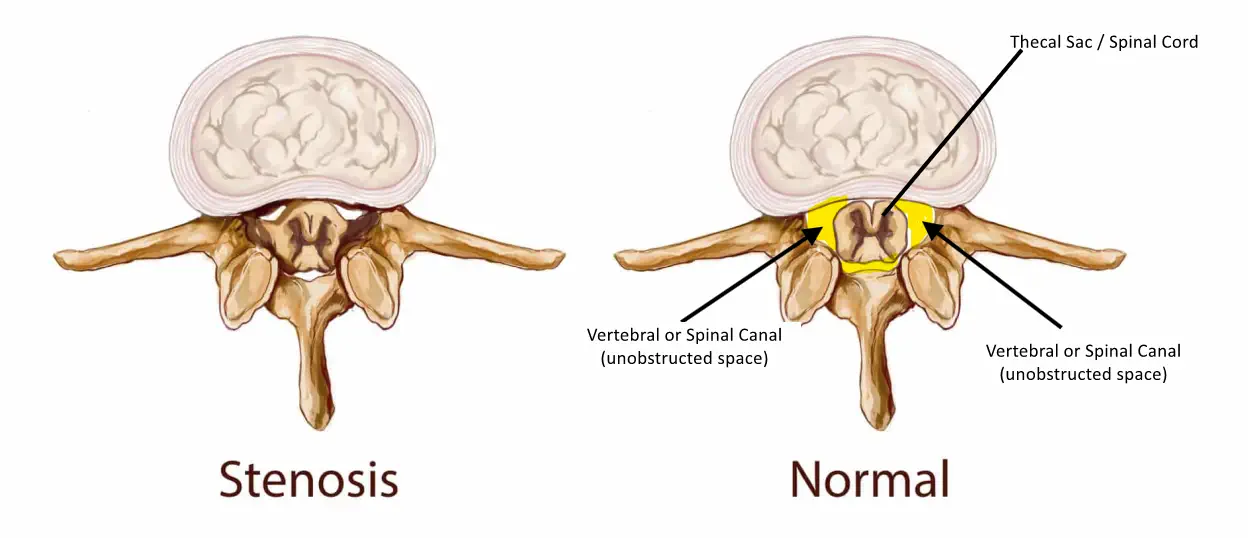
Spinal stenosis is a condition in which the spinal canal narrows and begins to compress the spinal cord or nerve roots. This narrowing can result from a combination of degenerative changes to the spine, most commonly due to aging, injury, or long-term biomechanical stress. In many cases, spinal stenosis is caused by a combination of factors including disc protrusion, thickening of the ligamentum flavum (a stabilizing ligament in the spine), and facet joint enlargement (facet arthrosis or hypertrophy) — all of which reduce the available space in the spinal canal.
While rarer, some cases may result from congenital spinal stenosis, where a person is born with a naturally narrow canal, or from other conditions such as spinal tumors or prior trauma. Regardless of the cause, the result is the same: a reduction in space around the spinal cord or nerves that can lead to pain, numbness, and functional limitations.
Common Symptoms of Spinal Stenosis
Symptoms of spinal stenosis often develop gradually and may become more noticeable over time. They may be present in the cervical spine (neck), lumbar spine (lower back), or both, depending on the location of the narrowing. Common signs include:
- Persistent neck or lower back pain
- Numbness or tingling in the arms, hands, legs, or feet
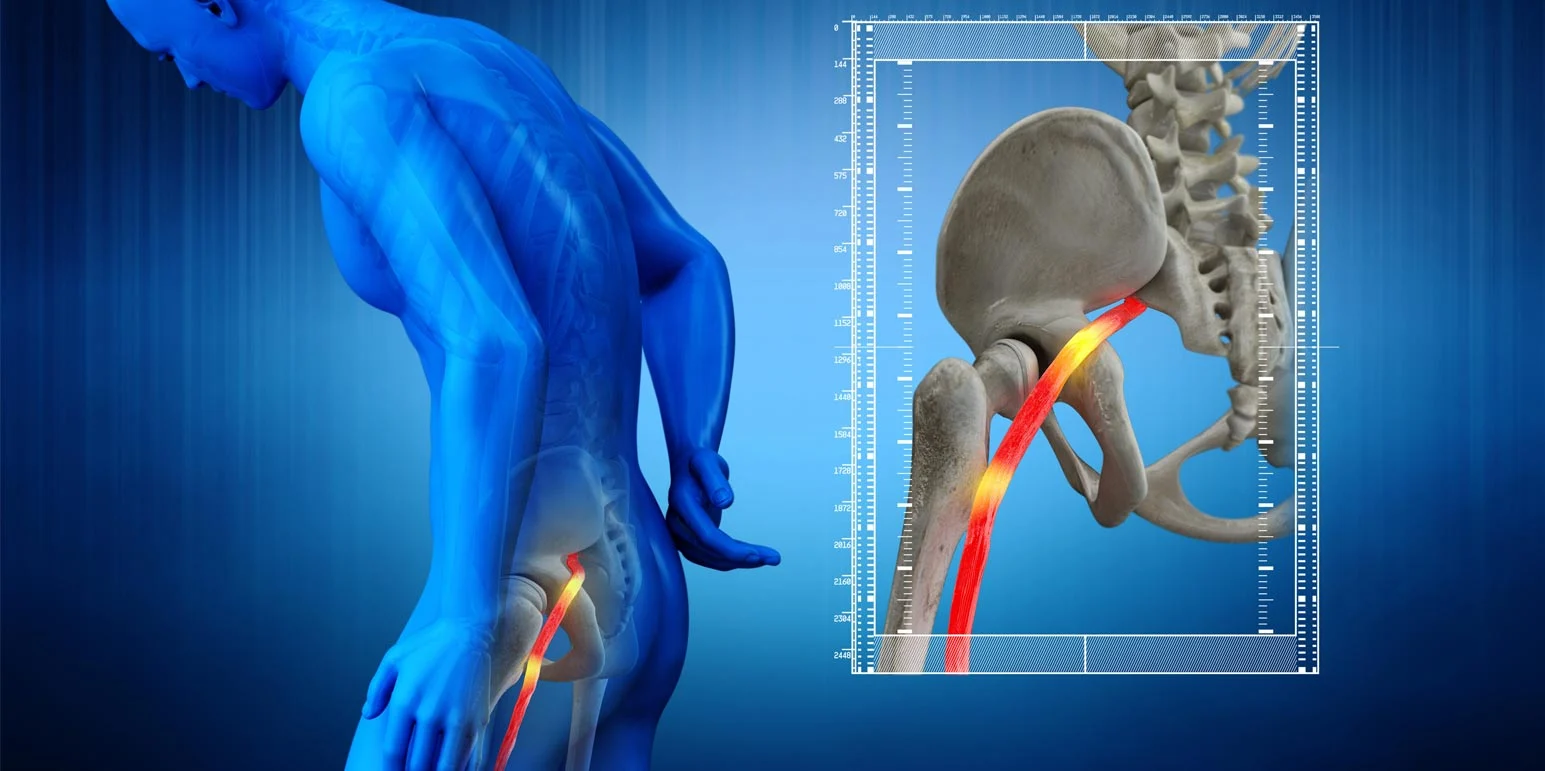
- Pain radiating down the arms or legs (often mistaken for sciatica)
- Muscle weakness in the limbs
- Difficulty standing upright or walking for long periods
- Needing to bend forward to find relief (shopping cart posture)
- Loss of balance or coordination
These symptoms can vary in intensity from person to person. Some individuals may experience only mild discomfort, while others may struggle with significant mobility issues and a reduced quality of life.
Can Spinal Stenosis Be Cured?
There is currently no cure for spinal stenosis in the traditional sense — once the spinal canal has narrowed, it cannot be “un-narrowed.” However, that doesn’t mean there’s no path forward. Many patients are able to manage their symptoms effectively and regain function through conservative treatment methods, including non-surgical spinal decompression therapy, physiotherapy, and supportive care.
At Bay Area Disc Centers, we aim to reduce pain, improve spinal function, and slow the progression of spinal stenosis. Early intervention is key. Left untreated, spinal stenosis can continue to progress, potentially resulting in more severe nerve compression, pain, and loss of function. Our goal is to give you more control over your body, your movement, and your everyday life — without relying on surgery or long-term medication.
Who Is at Risk for Spinal Stenosis?
Spinal stenosis is most commonly diagnosed in adults over the age of 50 due to the natural degenerative processes of aging. As the spine changes over time, discs lose hydration, ligaments thicken, and joints begin to enlarge — all of which can contribute to narrowing of the canal.
However, spinal stenosis isn’t limited to seniors. It can also occur in younger individuals due to:
- Auto accidents or spinal trauma
- Repetitive stress injuries from work or athletics
- Genetic predisposition to a narrow spinal canal
- History of spinal surgery or instability
In these cases, spinal degeneration occurs more rapidly at the site of injury, leading to earlier onset of stenotic changes. If you’ve had back or neck trauma in the past and are experiencing radiating pain or numbness, it’s worth being evaluated for early signs of stenosis.
Our Approach to Treating Spinal Stenosis
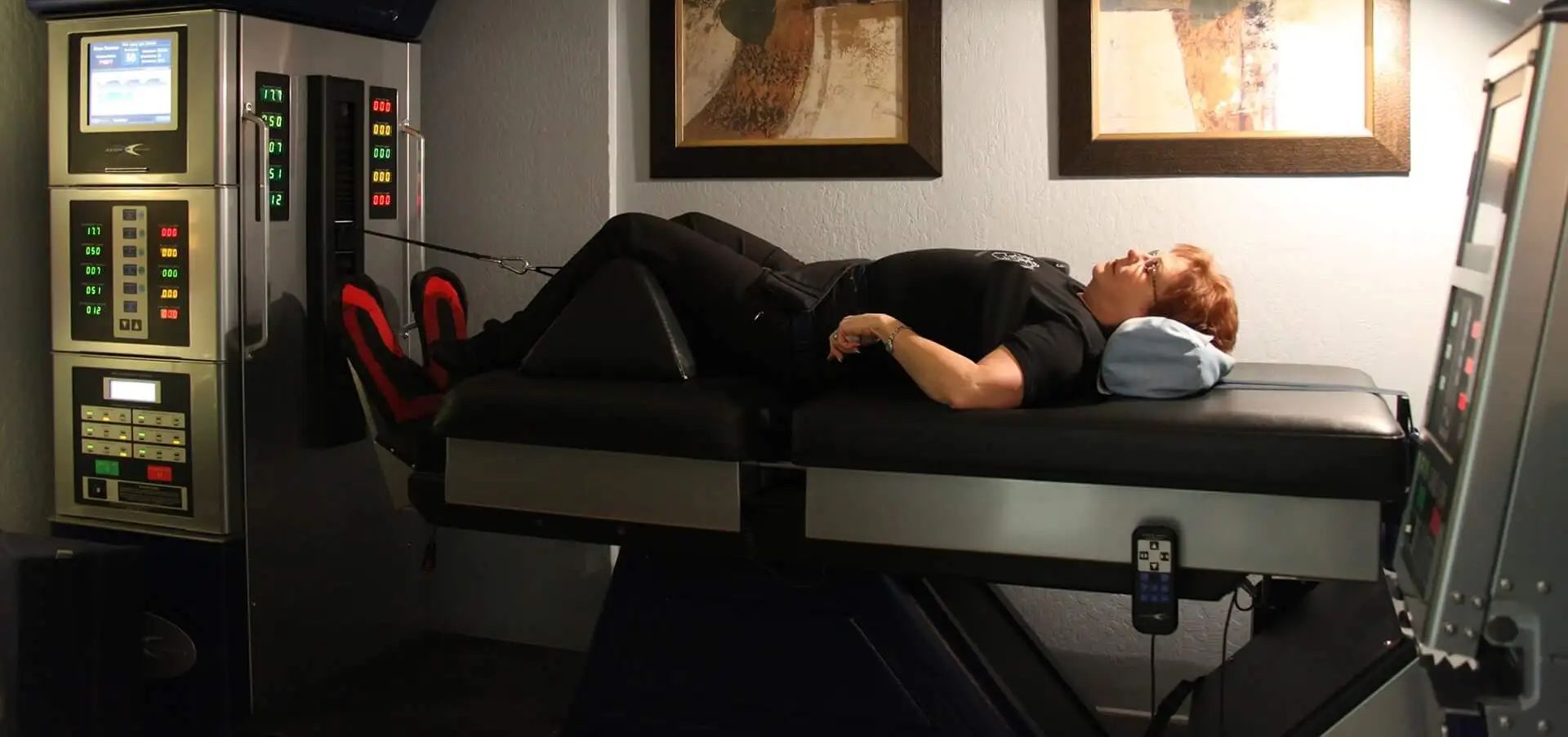
At Bay Area Disc Centers, we use a conservative, evidence-informed approach that emphasizes non-surgical spinal decompression therapy and full-body spinal care. Spinal decompression with the DRX9000 and Accu-SPINA systems gently stretches the spine in controlled cycles, reducing pressure within the discs and relieving nerve compression. This can be particularly effective in cases of stenosis caused by disc bulging or facet hypertrophy.
In addition to decompression, your treatment plan may include:
- Targeted physiotherapy to improve posture and spinal stability
- Inter-segmental mobilization to maintain joint motion and reduce stiffness
- Nutritional guidance to support anti-inflammatory healing
- Core-strengthening exercise programs tailored to your mobility level
By addressing both the structural and functional aspects of your spine, we help create the conditions for lasting improvement — not just temporary symptom relief.
We Treat the Whole Person — Not Just the MRI
At Bay Area Disc Centers, we don’t just look at your imaging or test results. We take the time to understand your daily challenges, activity level, and personal goals. Whether your case is mild or more advanced, our team will walk you through every step of the process with care and clarity.
You deserve answers — and options. Our Campbell and San Mateo clinics are here to help you move forward with less pain, more control, and renewed confidence in your body.
Schedule Your Consultation
If you’ve been told your spinal stenosis is just a part of aging — or that surgery is your only option — there’s a good chance you haven’t tried everything. Contact Bay Area Disc Centers today to schedule your consultation. Let’s find out if our non-surgical, disc-focused approach can help you reclaim your movement, mobility, and comfort.
📍 Call our Campbell office at (408) 866-0300 or our San Mateo office at (650) 513-1846 to get started.
Care Rooted in Experience
Whether you’re navigating a recent diagnosis or managing a long-term condition, our goal at Bay Area Disc Centers is to help you move better, feel stronger, and live with more freedom.
Schedule your consultation, call:
📍 Campbell Office – (408) 866-0300
📍 San Mateo Office – (650) 513-1846
Frequently Asked Questions About
Chiropractic Care In Campbell & San Mateo
Most patients complete their initial care program over 6 to 8 weeks, with treatments typically scheduled several times per week. The exact length depends on your condition, overall health, and how your body responds to therapy. After an initial consultation, we’ll design a plan that’s tailored specifically to your needs and goals.
When properly administered, non-surgical spinal decompression is considered a low-risk therapy for many patients with disc-related issues. The DRX9000® system continuously monitors your body’s resistance during each session, making real-time adjustments to ensure safety and comfort. As always, a full evaluation is essential to determine if you’re a good candidate for this type of care.
Most patients describe spinal decompression as a gentle, relieving stretch. In fact, most patients fall asleep during the treatment. Our team closely monitors your comfort throughout every session at both our Campbell and San Mateo offices.
Disc Restoration Therapy may be appropriate for a range of spinal disc conditions, including:
- Herniated or bulging discs
- Degenerative disc disease
- Sciatica
- Spinal stenosis
- Chronic neck or lower back pain related to disc dysfunction
We’ll review your full history and imaging, if available, to ensure the best possible approach to care.
The best way to find out is to schedule a consultation. Dr. Ferrigno will perform a thorough evaluation, review your MRI’s and discuss your options based on your specific condition, health history, and goals.
Call our Campbell office at (408) 866-0300 or our San Mateo office at (650) 513-1846 to get started—or contact us online.
Are You A Candidate For Spinal Decompression?
It’s quick and simple — Just answer 11 Yes-or-No questions.
Dr. Ferrigno will personally review your responses to determine if you’re a candidate for spinal decompression. A member of our team will then contact you to discuss the next step.
Don’t forget to complete the contact form at the end so we know how to reach you.