

Sciatica Pain Relief
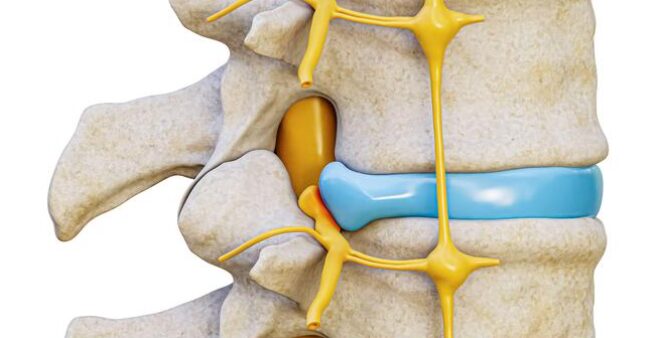
Sciatica is a condition marked by pain, tingling, or numbness that travels from the lower back down the leg. It occurs when the sciatic nerve becomes compressed—often due to disc herniation or degeneration.
Spinal decompression can help reduce disc herniation size, taking pressure off the compressed nerve roots that cause sciatica. Our Disc Restoration Therapy program which features a 5 step (S.P.I.N.E.) approach was designed to help patients suffering from sciatica and other disc related conditions.
- Spinal Decompression — to re-hydrate and heal the disc
- Physiotherapy — EMS, ice and Deep Tissue Laser to reduce pain and inflammation
- Inter-segmental Mobilization — to restore motion and function to spinal joints
- Nutritional Support — naturally support disc health and reduce inflammation
- Exercise Rehabilitation — stretch and strengthen supporting musculature.
While every case is unique, many patients with sciatica benefit from spinal decompression, manual therapy, and movement-based rehabilitation—all aimed at improving alignment and reducing mechanical stress on the nerve. Research in the Journal of Manipulative and Physiological Therapeutics supports the role of conservative chiropractic care in managing sciatic symptoms without invasive procedures.
If you’re looking for sciatica pain relief in Campbell or San Mateo, our team can help identify the root cause and develop a personalized plan to reduce nerve irritation and restore mobility.
Degenerative Disc Disease
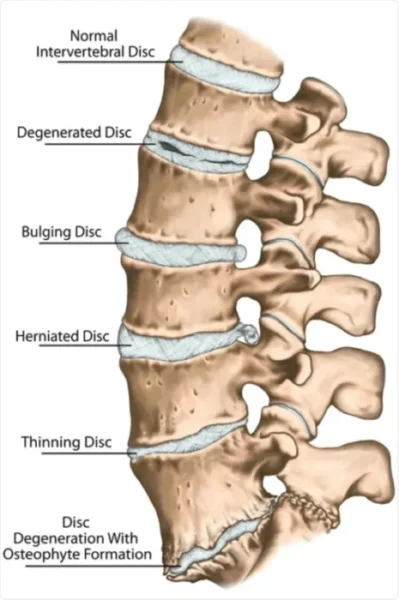
Degenerative Disc Disease (DDD) is a condition in which the spinal discs gradually lose hydration and flexibility, leading to pain, stiffness, and reduced motion.
Spinal Decompression creates a negative pressure inside the disc which causes a vacuum effect to suck in new fluid and nutrients to help rehydrate and heal the desiccated disc. This along with manual mobilization techniques will help slow down the progression of the degenerative disc disease.
- May be triggered by aging, injury, or repetitive stress.
- Common in the neck or lower back.
- Symptoms may include dull, aching pain or sharp discomfort with movement.
While DDD is a common finding in adults over 40, repetitive stress, past injuries, or occupational strain can accelerate this process. For those who do, targeted chiropractic care may help support better spinal mechanics and reduce stress on compromised areas.
We often use spinal decompression therapy and gentle mobilization techniques, supported by rehabilitative exercises, to help patients maintain mobility and function.
Disc Injuries
(Bulges & Herniations)
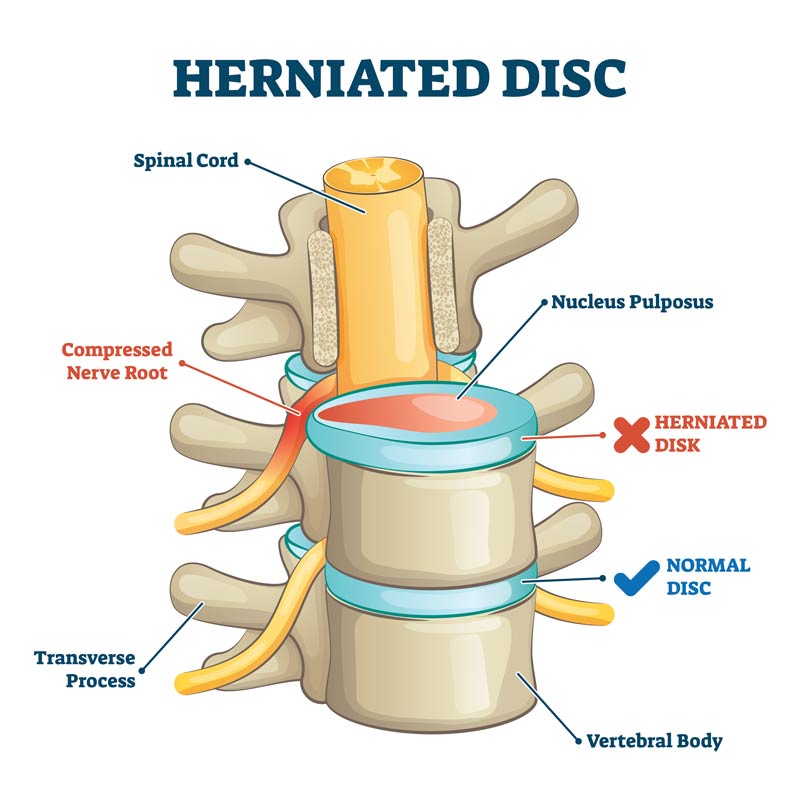
Disc injuries occur when the outer layer of a spinal disc becomes weakened or damaged, allowing the inner material to bulge outward or leak (herniate). This can put pressure on nearby nerves and result in pain, tingling, or weakness—often in the arms or legs.
When spinal discs become damaged, they can bulge or rupture—putting pressure on nearby nerves and causing pain, numbness, or weakness.
Our advanced Spinal Decompression tables (DRX9000 and Accu-Spina) are able to target one specific disc while keeping the surrounding muscles from spasming / guarding. This creates a negative pressure inside the disc which causes a vacuum effect to draw in new fluid and nutrients to rehydrate and heal the herniated disc from the inside and draw in protruded disc material taking pressure off the compressed nerve roots.
- Discs have limited blood flow, so they heal slowly.
- Even minor movements can become painful when a disc is injured.
- Injuries may be caused by trauma, poor posture, or repetitive strain.
Common causes include trauma, poor posture, repetitive lifting, or age-related degeneration.
Bay Area Disc Center provides non-surgical disc herniation relief through advanced spinal decompression and disc restoration therapy designed to reduce pressure and improve disc hydration.
Facet Joint Syndrome
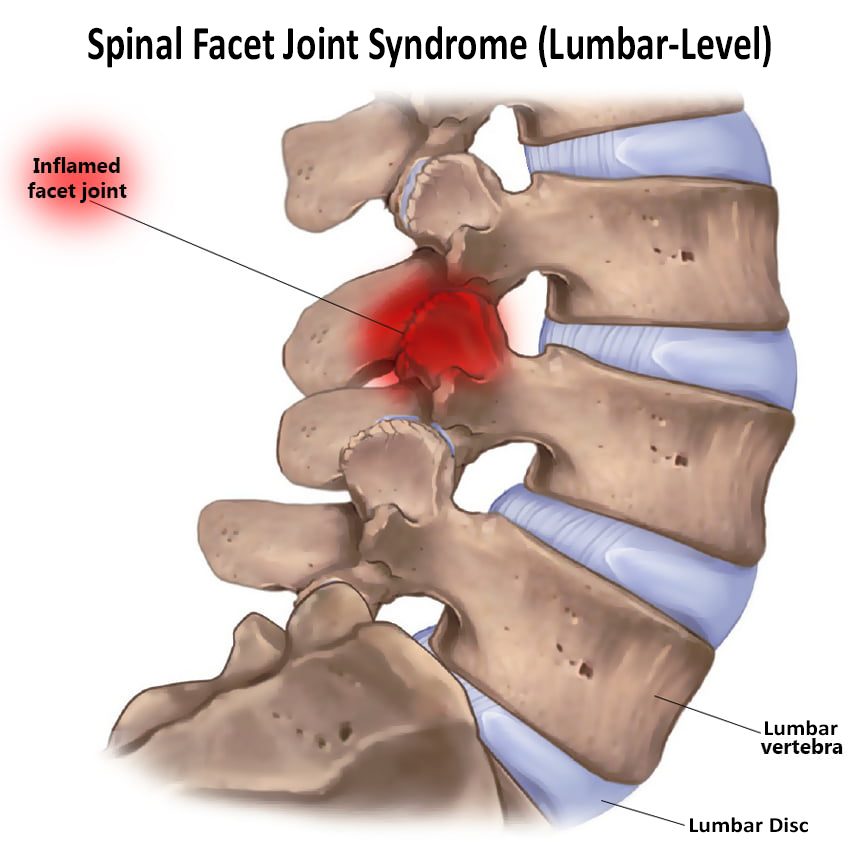
Facet joints connect your vertebrae and allow your spine to twist and bend. magine placing your palms together, allowing them to glide smoothly against each other. This motion resembles how the facet joints in your spine function. Each facet joint is a small, synovial joint located between adjacent vertebrae, covered with cartilage and enclosed in a capsule filled with lubricating synovial fluid.
This setup allows for smooth, controlled movements of the spine. Surrounding ligaments and muscles provide stability, ensuring the joints move within their intended range. When these joints become inflamed—due to arthritis, injury, or overuse—it can lead to stiffness and pain.
- Pain may worsen with prolonged sitting or standing.
- Often felt in the lower back or neck.
- May be accompanied by muscle spasms or restricted motion.
We help manage facet joint pain with a combination of spinal mobilization, therapy, and rehabilitative exercises tailored to your unique movement patterns.
When damaged or arthritic, they can cause localized
pain and stiffness, particularly in the lower back or neck. In some cases, pain may radiate to the buttocks, thighs, or shoulders, depending on the affected region.
Facet Joint Syndrome occurs when the small joints located at the back of the spine—called facet joints—become inflamed or irritated. These joints are critical for stability and flexibility, enabling bending and twisting motions.
Dr. Ferrigno, a chiropractor in Campbell and San Mateo, focuses on helping patients manage facet joint pain with a combination of spinal mobilization, therapy, and rehabilitative exercises tailored to your unique movement patterns.
Lower Back Pain
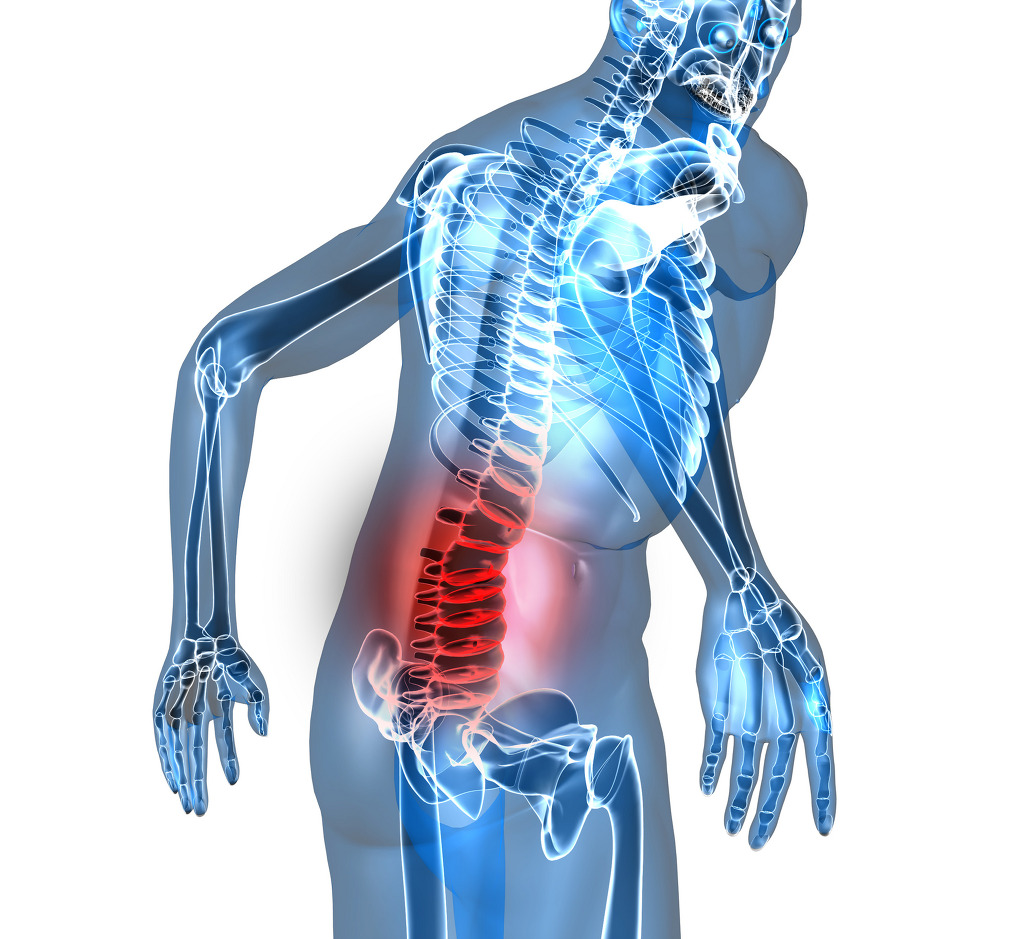
Lower back pain is one of the most common reasons patients seek chiropractic care. It can range from a mild ache to sharp, radiating discomfort—and it often stems from underlying spinal issues.
- Frequently caused by nerve compression or muscular strain.
- Conditions like disc degeneration, spinal stenosis, or osteoarthritis are common contributors.
- Pain may radiate into the hips or legs.
At Bay Area Disc Centers, we approach lower back pain with a focus on stability, core strength, and long-term spinal health. Whether you’re seeing a chiropractor in Campbell or San Mateo, we aim to treat the cause—not just the symptoms.
In just five simple steps experience high-quality service at a great price while travelling to a new destination. What do we offer?
Spinal Stenosis
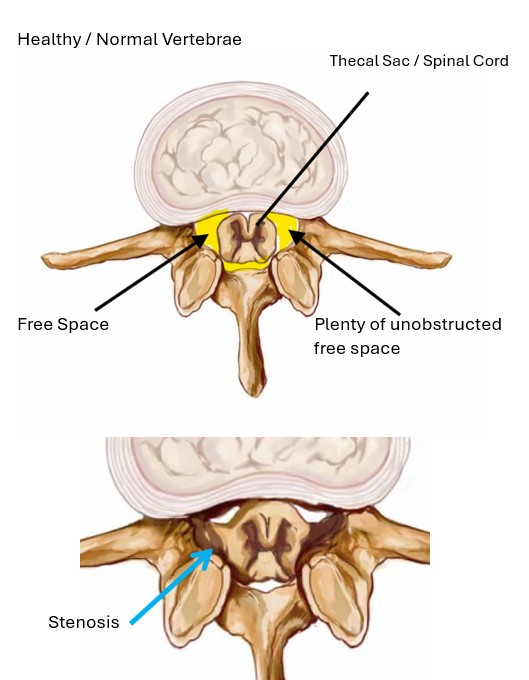
Spinal stenosis is the narrowing of the spinal canal, which puts pressure on nerves in the lower back or neck. While it can be congenital, it’s more commonly the result of age-related changes in the spine.
Symptoms may include leg pain, cramping, or numbness—particularly during walking or standing. Sitting or bending forward often relieves discomfort.
- The top photo shows the spinal cord surrounded by a plenty of free space (area highlighted in yellow).
- In the lower photo, the spinal canal has become narrowed or stenosed due to a combination of structures taking up room in the canal. This includes facet joints becoming enlarged and arthritic, disc material bulging or herniating into the canal and the ligamentum flavum thickening which also takes up room in the canal.
- Most common in adults over 50.
Studies published in Spine journal support the effectiveness of conservative treatments such as
regular chiropractic care and Physiotherapy (like those offered by Dr. Thomas Ferrigno in Campbell, or San Mateo clinic) helps in improving walking tolerance and quality of life in patients with lumbar spinal stenosis.We help patients with spinal stenosis build better movement patterns and reduce inflammation through targeted non-surgical care.
Chronic Neck Pain
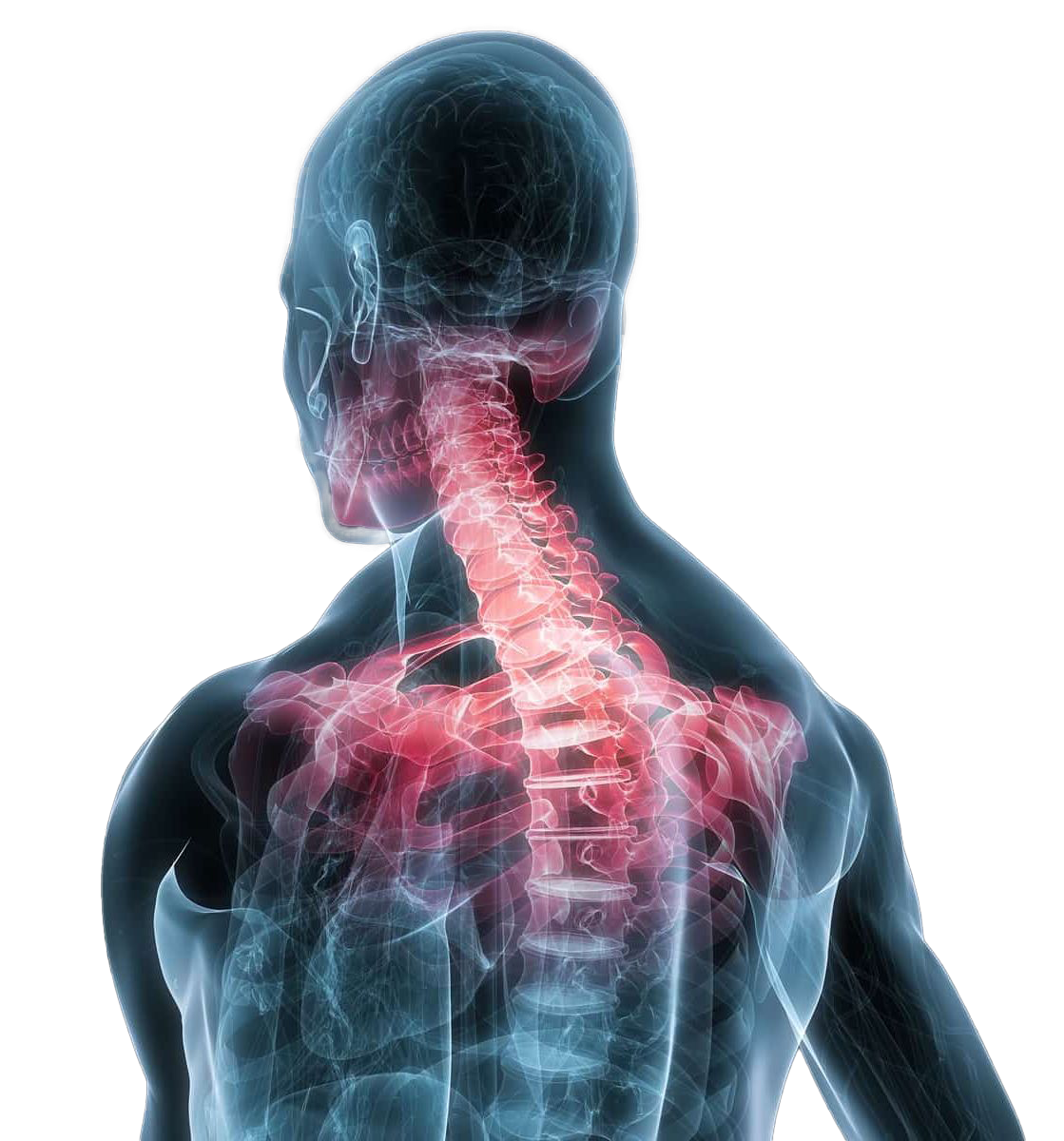
Chronic neck pain can arise from multiple sources, including disc degeneration, poor posture, past injury, or joint dysfunction. When pain persists for more than 12 weeks, it may become more difficult to manage without a structured, multidisciplinary approach.
Symptoms may include stiffness, radiating discomfort into the shoulders or arms, and in some cases, sensory changes like tingling or weakness. Functional limitations, such as difficulty turning the head or maintaining focus, are also common.
Non-surgical Spinal Decompression gently stretches the cervical spine in a controlled manner, creating negative pressure within the discs. This can help reduce nerve irritation, encourage fluid exchange, and promote an improved environment for natural disc healing. At Bay Area Disc Centers, serving patients in Campbell and San Mateo, spinal decompression is often part of a broader care plan that may also include physiotherapy, targeted exercises, and postural retraining. Our focus is always
on improving mobility, relieving pressure, and helping patients regain strength and stability—without relying on medications or surgery whenever possible.
As a chiropractor in San Mateo and Campbell, Dr. Ferrigno provides gentle cervical spine care combined with therapeutic exercises and postural retraining. Our goal is to reduce mechanical stress and improve cervical alignment without relying on medication or injections.
Neuropathy
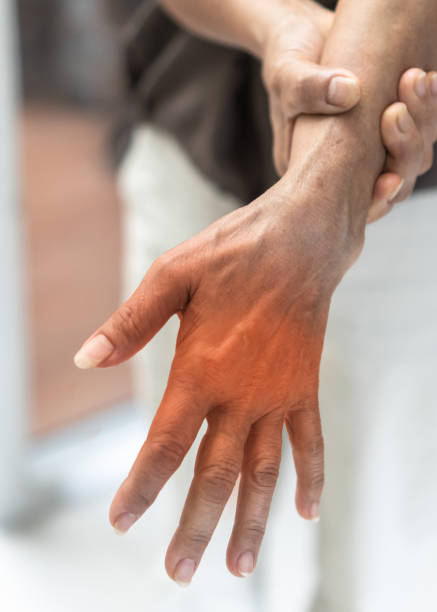
Peripheral neuropathy refers to damage or dysfunction in the nerves outside the brain and spinal cord. Symptoms often begin gradually, with tingling, numbness, or burning sensations in the hands or feet. Over time, patients may notice muscle weakness, balance issues, or reduced coordination.
Common causes include diabetes, autoimmune conditions, nutritional deficiencies, and spinal disc issues. According to the Journal of Neurology, early intervention and consistent management strategies are key in preventing progression.
Peripheral neuropathy involves damage to the nerves outside the brain and spinal cord. It often causes burning, tingling, numbness, or weakness—most commonly in the hands and feet.
Common causes include diabetes, injury, or spinal disc conditions.
- May lead to difficulty walking, reduced coordination, or chronic discomfort.
Without intervention, symptoms can progress over time.
We offer non-surgical neuropathy treatments designed to stimulate nerve healing, improve circulation, and reduce symptoms—without medication or injections.
While chiropractic care is not a cure for peripheral neuropathy, it may help improve the underlying musculoskeletal and neurological conditions that contribute to nerve irritation and impaired function.
When spinal misalignments (subluxations) or disc injuries create pressure on nearby nerves, it can mimic or worsen neuropathy symptoms. Gentle chiropractic adjustments may help reduce mechanical stress on the nervous system, improving nerve signal transmission and potentially reducing discomfort.
This is especially relevant for patients whose neuropathy-like symptoms are linked to conditions such as disc herniations, spinal stenosis, or nerve root compression. Studies published in the Journal of Manipulative and Physiological Therapeutics (JMPT) suggest that spinal care can be beneficial in managing radicular (nerve-related) symptoms originating from the spine.
Care Rooted in Experience
Whether you’re navigating a recent diagnosis or managing a long-term condition, our goal at Bay Area Disc Centers is to help you move better, feel stronger, and live with more freedom.
Schedule your consultation, call:
📍 Campbell Office – (408) 866-0300
📍 San Mateo Office – (650) 513-1846
Frequently Asked Questions About
Disc Restoration Therapy & Spinal Decompression
Most patients complete their initial care program over 6 to 8 weeks, with treatments typically scheduled several times per week. The exact length depends on your condition, overall health, and how your body responds to therapy. After an initial consultation, we’ll design a plan that’s tailored specifically to your needs and goals.
When properly administered, non-surgical spinal decompression is considered a low-risk therapy for many patients with disc-related issues. The DRX9000® system continuously monitors your body’s resistance during each session, making real-time adjustments to ensure safety and comfort. As always, a full evaluation is essential to determine if you’re a good candidate for this type of care.
Most patients describe spinal decompression as a gentle, relieving stretch. In fact, most patients fall asleep during the treatment. Our team closely monitors your comfort throughout every session at both our Campbell and San Mateo offices.
Disc Restoration Therapy may be appropriate for a range of spinal disc conditions, including:
- Herniated or bulging discs
- Degenerative disc disease
- Sciatica
- Spinal stenosis
- Chronic neck or lower back pain related to disc dysfunction
We’ll review your full history and imaging, if available, to ensure the best possible approach to care.
The best way to find out is to schedule a consultation. Dr. Ferrigno will perform a thorough evaluation, review your MRI’s and discuss your options based on your specific condition, health history, and goals.
Call our Campbell office at (408) 866-0300 or our San Mateo office at (650) 513-1846 to get started—or contact us online.
Are You A Candidate For Spinal Decompression?
It’s quick and simple — Just answer 11 Yes-or-No questions.
Dr. Ferrigno will personally review your responses to determine if you’re a candidate for spinal decompression. A member of our team will then contact you to discuss the next step.
Don’t forget to complete the contact form at the end so we know how to reach you.

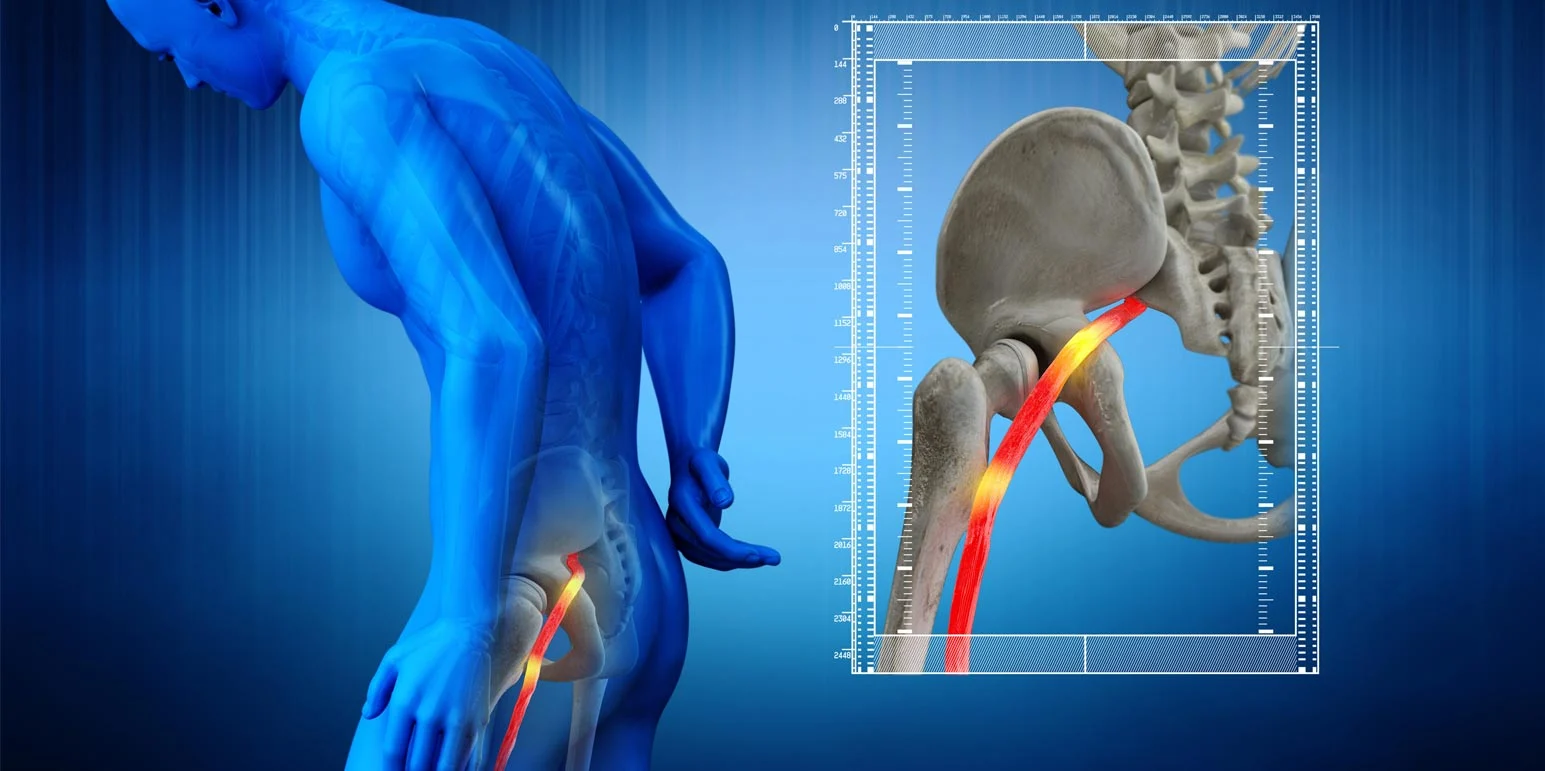
Sciatica Relief

Chronic Neck Pain

Degenerative Disc