

Top Medical Doctors Endorse Disc Centers of America
Dr. Thomas Ferrigno, A Board-Certified, Nationally Recognized Expert On
Spinal Decompression and a Proud Member of Disc Centers of America.
Dr. Jay Lombard, M.D.
Neurologist, Researcher & Author
- Board-Certified Neurologist: Dr. Lombard is a nationally and internationally recognized neurologist with over 35 years in clinical practice, particularly focusing on adult and pediatric neurodegenerative conditions. (CMBM)
- Academic & Leadership Roles: He served as Chief of Neurology at Bronx Lebanon Hospital (2007–2011) and Westchester Square Medical Center (1995–2000) and held clinical faculty positions at New York-Presbyterian Hospital and Albert Einstein College of Medicine. (CMBM)
- Genomind Co-Founder & Medical Scientist: He co-founded Genomind, a biotechnology firm advancing personalized medicine in neuropsychiatry. (CMBM)
- Published Author & Speaker: Dr. Lombard has authored multiple books on brain health and neuroscience—including The Mind of God—and has delivered keynote addresses at TEDMED and other international forums. (CMBM)
- Clinical & Research Contributions: His research spans mitochondrial links to autism, photobiomodulation treatments, and psychopharmacogenomics. He has published in esteemed journals like New England Journal of Medicine and Annals of the New York Academy of Sciences. (doximity.com)
Dr. Lombard is a highly accomplished neurologist—with significant clinical leadership, academic roles, and scientific contributions—best known for his pioneering work in personalized neuropsychiatric medicine and brain wellness.
Dr. Timothy “Tim” Kremchek, M.D.
Orthopedic Surgeon & Sports Medicine Specialist
Board‑Certified Orthopedic Surgeon with subspecialty certification in Sports Medicine, trained at Tufts University and Alabama Sports Medicine Institute under Dr. James R. Andrews (Beacon Orthopaedics & Sports Medicine)
- Medical Education: MD from University of Cincinnati College of Medicine (1986), followed by a General Surgery internship at Good Samaritan Hospital and orthopedic residency at Tufts University; completed a sports medicine fellowship in Birmingham, AL (Beacon Orthopaedics & Sports Medicine)
- Team Physician & Medical Leader: Serving as Medical Director and Chief Orthopedic Surgeon for the MLB Cincinnati Reds organization (and their minor league affiliates) since 1996; has held leadership roles with numerous colleges and high schools in Ohio (MLB.com)
- Procedural Expertise: Recognized for performing thousands of orthopedic surgeries, including numerous Tommy John (UCL reconstruction) procedures on professional pitchers
Educational Impact: Director of Beacon’s Orthopedic Sports Medicine fellowship and Medical Director of outreach programs for student-athletes; regularly featured in media outlets like ESPN, Sports Illustrated, and USA Today (thechristhospital.com)
With more than 25 years of high-level clinical experience, Dr. Tim Kremchek is a trusted authority in orthopedic sports medicine. His extensive background includes treating elite athletes, complex surgeries like Tommy John repair, and mentoring upcoming surgeons—all while guiding athlete care at every level.
Dr. Sarah C. Knife-Chief, M.D.
Orthopedic Surgeon & Advisory Board Member
- Specialist in Orthopedic Surgery: Dr. Knife-Chief is a board-certified orthopedic surgeon who focuses on conditions like cervical myelopathy, compartment syndrome, and carpal tunnel syndrome (Medifind).
- Veteran and Medical Practitioner: A veteran of the U.S. Army, she was honorably discharged as a Major in 2012 and currently practices in Tulsa, Oklahoma (Facebook).
- Experienced Clinician: With more than 15 years in practice, she’s affiliated with Inspire Med Spa Tulsa and has treated patients at Lawton Indian Hospital and W.W. Hastings Indian Hospital (U.S. News Health).
- Expertise in Sports and Trauma-Related Care: Skilled in treating both acute injuries and chronic orthopedic conditions, Dr. Knife-Chief frequently speaks about non-surgical spinal decompression therapies (YouTube).
- International Board Member of Disc Centers of America — Dr. Knife‑Chief plays a key leadership role in guiding non-invasive back and disc pain protocols across DCOA clinics (inspiremedspatulsa.com).
- Featured in DCOA promotional materials — She has appeared in Disc Centers of America media about non-invasive solutions for back, knee, disc problems, and neuropathy (ispot.tv).
Dr. Sarah Knife-Chief offers a wealth of orthopedic expertise shaped by her military service and extensive clinical background. Her surgical and non-surgical care focuses on restoring function and improving quality of life for patients with complex musculoskeletal conditions.
IMPORTANT: Don’t become a victim of “Specialty Bias”.
What Is Specialty Bias in the medical field?
Specialty bias is a type of cognitive bias where clinicians interpret symptoms through the lens of their own expertise.
For example, you have a headache… there is a strong chance that a cardiologist might suspect it’s related to your heart… an orthopedist might say the source of your headache is related to spinal or joint issues, and a neurologist might explore nerve-related origins.
This isn’t about negligence—it’s often an unconscious result of training and experience. And rarely will any specialist attribute the most basic cause of your discomfort to another specialty.
✅ Evidence in Medical Research
- A study examining decision-making biases in healthcare found that doctors are more likely to diagnose conditions within their own specialty—an example of anchoring. See: PMC article and the American Medical Association overview
- Further research shows confirmation bias can reinforce this effect: a specialist may focus on confirming evidence related to their area and overlook alternative causes.
⚠️ Why This Matters to Patients
- Broader evaluation is essential
If your original specialist’s diagnosis doesn’t fully explain your symptoms, seeking a second opinion—especially from a different specialty—can uncover hidden issues. - Cross-disciplinary collaboration improves outcomes
Integrated care, where cardiologists, orthopedists, neurologists, and primary care doctors collaborate, uses the strengths of each perspective while minimizing individual bias. - Advocacy empowers your care
Asking questions like, “Could this be related to another system?” encourages a more holistic assessment and richer diagnostic process.
Dr. Ferrigno has been in practice for over 35 years, and he’s heard it more times than he can count:
“My orthopedist told me that spinal decompression isn’t a real treatment… or that it’s harmful… or that it doesn’t work… or if it does work, it’s not good for my condition.”
That’s when he calmly asks the patient, “Does your orthopedist actually know anything about spinal decompression?”
“Have they read the latest clinical research or reviewed the outcomes data?” Often, the room goes quiet—and the crickets start chirping.
The truth is, most orthopedic surgeons know very little about spinal decompression therapy, because it simply isn’t in their clinical toolbox. The same way an Orthopedic Surgeon doesn’t know much about Cardio-Thoracic surgery. And that’s okay.
But if a patient’s pain stems from disc compression—not surgical pathology—they deserve to hear from a doctor who specializes in non-surgical solutions. That’s where Dr. Ferrigno and Bay Area Disc Centers come in.
Your Questions Answered
- Spinal Decompression
- Sciatica
- Spinal Stenosis
- Peripheral Neuropathy
Spinal decompression is a non-surgical treatment that gently stretches the spine to relieve pressure on compressed discs and nerves. This allows disc material to retract, improves circulation, and promotes natural healing.
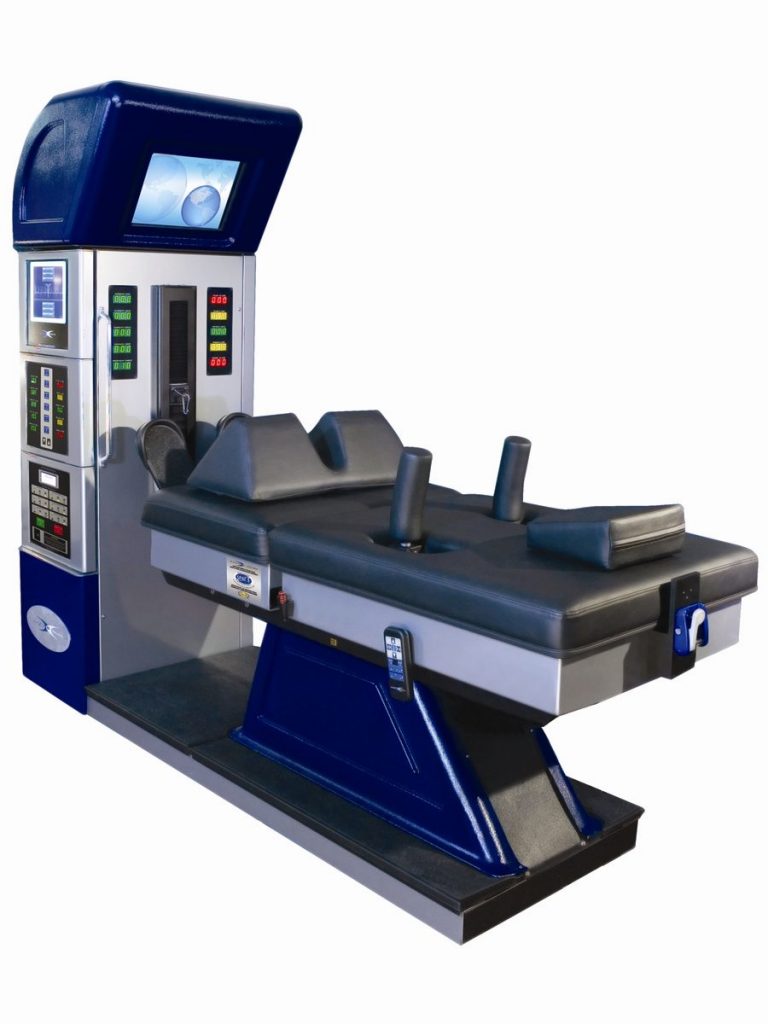
We use two of the most advanced systems available: the DRX9000 and the Accu-SPINA. Both are FDA-cleared and computer-guided to ensure precision, comfort, and optimal results for each patient.
Spinal decompression is commonly used to treat disc bulges, herniations, sciatica, degenerative disc disease, facet joint issues, and spinal stenosis — especially when patients are looking to avoid surgery.
Not at all. The treatment is gentle, and most patients find it relaxing. Both the DRX9000 and Accu-SPINA systems are designed to adjust in real time to your body’s resistance, so you remain comfortable throughout the session.
Many patients begin feeling relief within the first few sessions, though lasting results typically build over a structured 6–8 week program. Progress is carefully monitored and adjusted based on your specific condition.
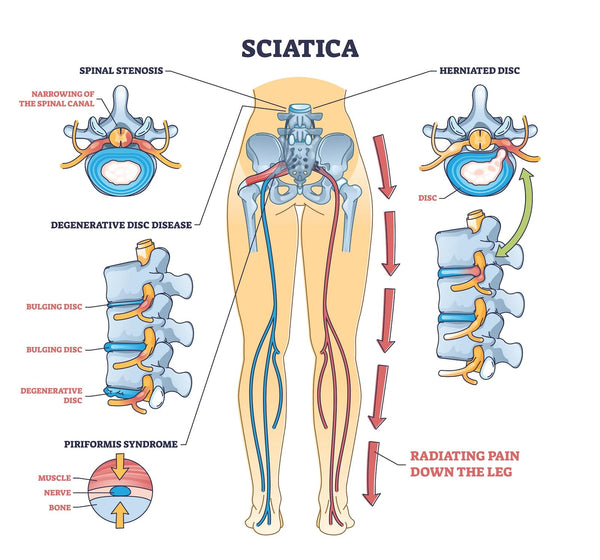
Sciatica refers to pain or discomfort that radiates from your lower back down into one or both legs, typically resulting from irritation or compression of the sciatic nerve—the longest nerve in your body. It can occur when something like a bulging disc, herniation, spinal stenosis, or even prolonged sitting or heavy lifting causes pressure or inflammation around the nerve, triggering pain and discomfort.
If you’re experiencing sciatica, you might notice sharp, burning, or shooting pain that travels from your lower back down through your buttock and leg. Additional symptoms can include tingling sensations, numbness, muscle weakness, or difficulty moving your leg. Everyday activities like prolonged sitting, driving, or even bending down to tie your shoes might worsen the discomfort.
Absolutely! Chiropractic care, including gentle spinal adjustments, spinal decompression, and therapeutic modalities, can significantly reduce sciatic nerve irritation. By improving alignment, decreasing pressure on the nerve, and enhancing joint function, chiropractic treatments help your body heal naturally, reducing pain and improving your overall comfort and mobility without invasive procedures.
Yes, spinal decompression therapy is a gentle, non-surgical method specifically designed to relieve pressure on spinal discs and nerves. This FDA-cleared approach gently stretches your spine, allowing nutrients and oxygen to flow into injured areas, promoting healing of discs and nerves. Many patients find it soothing and effective, experiencing significant pain relief without drugs or surgery.
Many patients begin experiencing relief within their first few sessions. However, the exact timing depends on several factors, including the severity and cause of your sciatica, your age, and overall health. By combining chiropractic care, spinal decompression, and lifestyle changes, most patients find noticeable improvement within days or weeks, gradually progressing toward lasting relief and improved quality of life.
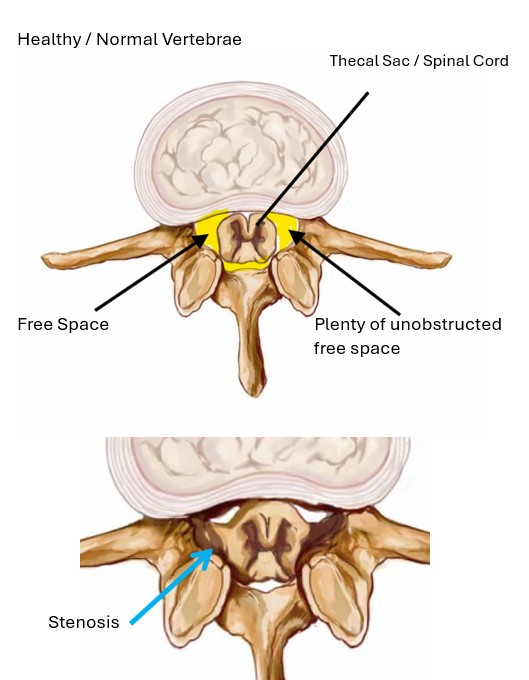
Spinal stenosis is a condition where the spaces within your spine narrow, putting pressure on nerves and causing discomfort or pain. It commonly occurs in the lower back (lumbar stenosis) and neck (cervical stenosis), often resulting from aging-related changes like arthritis, bone spurs, disc degeneration, or injuries from past trauma.
Typical signs of spinal stenosis include pain or stiffness in your lower back or neck, numbness, tingling, or weakness in your arms or legs, and difficulty walking or standing for extended periods. You might find relief by leaning forward or sitting down, as these positions temporarily ease pressure on compressed nerves.
Yes, chiropractic care is a gentle, non-invasive approach that can effectively help manage symptoms of spinal stenosis. Treatments such as spinal adjustments, spinal decompression, and targeted physiotherapy aim to relieve nerve pressure, improve spinal function, and enhance your mobility and comfort, often reducing reliance on medications.
Absolutely! Spinal decompression therapy gently stretches and relieves pressure on compressed nerves and discs, creating space for better circulation and healing. Many patients report significant improvement in their comfort, mobility, and daily functioning, making it an excellent non-surgical treatment option for spinal stenosis.
Spinal stenosis commonly results from natural wear-and-tear due to aging, arthritis, injuries, and degenerative disc changes. While you can’t always prevent it entirely, maintaining good spinal health through regular chiropractic care, consistent exercise, proper posture, and healthy lifestyle choices can significantly lower your risk and slow the progression.
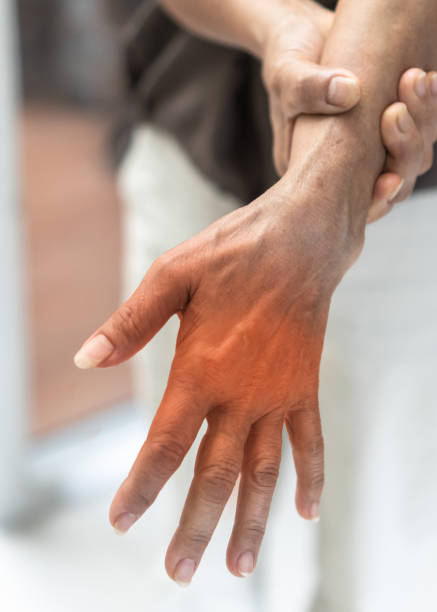
Peripheral neuropathy occurs when nerves outside your brain and spinal cord become damaged, leading to symptoms like numbness, tingling, and pain, often starting in the hands or feet. Common causes include diabetes, vitamin deficiencies, injuries, autoimmune conditions, certain medications, or repetitive stress from daily activities or occupational tasks.
Early signs of peripheral neuropathy typically involve sensations of numbness, tingling, or burning pain in the feet or hands. You might also notice muscle weakness, sensitivity to touch, balance issues, or difficulty performing simple daily tasks like buttoning a shirt or walking confidently on uneven surfaces.
Yes! Chiropractic treatments, including gentle nerve mobilization, spinal decompression, nutritional support, and advanced therapies like deep tissue laser and shockwave therapy, can significantly ease neuropathy symptoms. By improving circulation, nerve function, and overall spinal health, chiropractic care helps enhance comfort and mobility without relying solely on medication.
The degree of nerve healing depends largely on the underlying cause and the severity of nerve damage. While some neuropathies—especially those identified early—can improve dramatically or even resolve, others are best managed by slowing progression and relieving symptoms. Early diagnosis and consistent chiropractic management give you the best chance at positive outcomes.
Most patients begin noticing improvement within weeks, although the timeline can vary based on the severity and duration of nerve damage, overall health, and treatment consistency. Chiropractic care, combined with nutritional support and therapeutic exercises, typically yields steady, gradual improvements, enhancing your quality of life over time.
Considered by many as one of the best Spinal Decompression Clinics in Campbell & San Mateo, CA
Sciatica often presents as sharp back pain paired with numbness or tingling that radiates into the leg.
This condition is typically caused by pressure on the sciatic nerve, most often due to a herniated, bulging, or degenerative disc.
At Bay Area Disc Centers, Dr. Ferrigno focuses on advanced, non-surgical care for sciatica and disc conditions. Our treatment centers on Disc Decompression and a five-step program called S.P.I.N.E., designed to bring in disc hydration, improve spinal stability, and function.
* The procedure should feel comfortable and relaxing. We’ll check in with you during your session to make sure everything feels right. If at any time during the procedure you need anything, just let us know — we’re here for you.
Are You A Candidate For Spinal Decompression?
It’s quick and simple — Just answer 11 Yes-or-No questions. Dr. Ferrigno will personally review your responses to determine if you’re a candidate for spinal decompression. A member of our team will then contact you to discuss the next step.
Don’t forget to complete the contact form at the end so we know how to reach you.

Service In Excellence - Because You Deserve ItAre You Looking for Help With Your Back Pain?
We’re always welcoming new patients at both of our convenient locations in Campbell and San Mateo. Whether you’re struggling with chronic neck pain, sciatica, or a herniated disc that just won’t let up, we believe there’s a better way forward—without surgery.
Our goal is simple: to provide every patient with the highest level of personalized, non-invasive care. If you’ve been told your only options are medication or surgery, it might be time to explore a different path.
Choose the best chiropractic office location that is nearest you
Campbell Clinic
📍 420 Marathon Dr., Campbell, CA 95008
📞 (408) 866-0300
San Mateo Clinic
📍 177 Bovet Rd. #150, San Mateo, CA 94402
📞 (650) 513-1846